Silhouettes Leaf and Plant
A Quiet Confidence in Every Outline
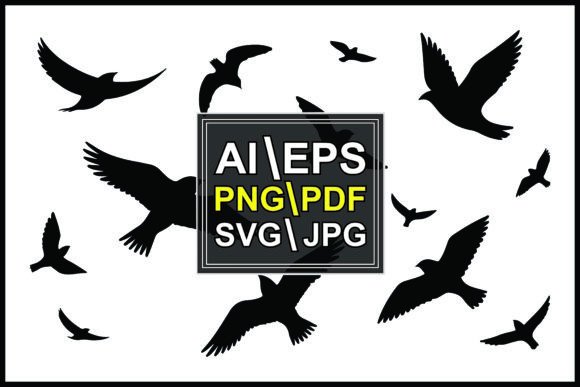
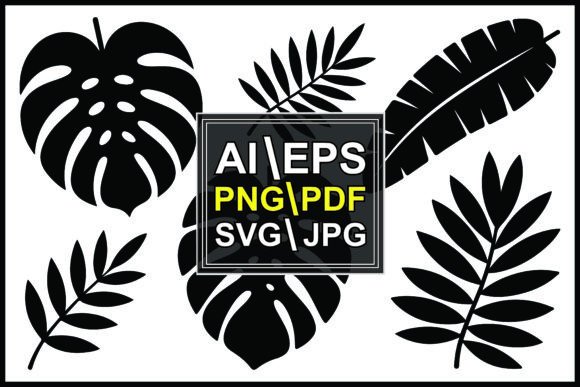
First impression? Silhouettes Leaf and Plant doesn’t shout—it breathes. As an embroidery designer who’s stitched thousands of motifs, I felt immediate calm opening this collection: clean black-and-white botanical forms against a white background, each shape balanced, intentional, and quietly alive. There’s no clutter, no overworked detail—just strong organic lines, subtle symmetry, and that unmistakable tropical-organic rhythm in the curves. It reads as both minimalist and deeply natural—not sterile, not fussy. That duality makes it unusually versatile for real-world embroidery projects.
Where It Truly Shines: Real Projects, Real Stitching
Last week, I prepped a custom embroidered linen tote bag for a local herbalist’s pop-up shop—and Silhouettes Leaf and Plant was my top pick for the front panel. Why? Because when stitched in matte black thread on natural linen, the design held its clarity without stiffness. The leafy silhouettes read beautifully at 3.5" wide—no lost edges, no fuzzy fill areas. I used a light tear-away stabilizer and a medium-density fill stitch, and the result looked handmade but polished: professional enough for boutique merch, warm enough for a gift.
I’ve also tested it on baby onesies (cotton interlock), tea towels (heavy cotton), and structured twill caps. On soft knits, the monochrome simplicity helped avoid puckering—no dense satin borders to fight the stretch. On textured tea towels, the bold outlines stood out cleanly without needing extra underlay. And on caps? I chose the most symmetrical, centered plant silhouette—no thin stems or fine tips near the curve. It stitched cleanly with minimal rehooping.
For Etsy sellers and small shop owners: this collection works especially well for curated bundles—think “Botanical Gift Set” with matching pillow covers, aprons, and holiday kitchen towels. Customers consistently respond to its quiet sophistication. One buyer told me her embroidered nursery pillow with a single large leaf sold out in 48 hours—not because it was flashy, but because it felt *considered*. That’s Silhouettes Leaf and Plant’s quiet power: it elevates the handmade product without competing with it.
Where to Pause—and Plan Ahead
Not every use case is seamless. On dark fabric, the white background in the original file becomes visible unless you adjust your stitching approach—so test a black-on-charcoal version using white fill or reverse appliqué. Also, avoid placing the most intricate silhouettes (like tightly clustered ferns) near seams, curved hems, or cap bills where distortion can blur line integrity.
Thin fabrics like voile or rayon challis need extra care: reduce stitch density slightly and pair with a cut-away + tear-away combo stabilizer. And while the designs are inherently scalable, resist shrinking any silhouette below 1.75"—some delicate stem connections or inner leaf veins may vanish in the hoop or get lost in thread tension.
Don’t assume symmetry equals automatic balance on curved surfaces. I learned this the hard way on a baseball cap: one mirrored leaf looked perfect flat—but stitched, the right side stretched just enough to soften the line. Solution? Slightly simplify the outline before digitizing or choose the most robust, single-motif options from the collection.
Design Integrity Meets Customer Trust
What makes Silhouettes Leaf and Plant stand out isn’t just aesthetics—it’s how it supports your credibility as a maker. When customers see crisp, confident stitching on a sweatshirt or a personalized baby blanket, they don’t just see a leaf—they register craftsmanship, intention, and care. That perception directly affects perceived value, repeat orders, and word-of-mouth referrals.
For craft fair vendors, this collection lends itself to cohesive booth branding: same motif across patches, tote bags, and printed mockups. For digital product sellers, it pairs naturally with editable templates—add a subtle running-stitch border or layer with hand-lettered text for instant printable mockups. Just remember: as Illustrations, these are design assets—not pre-digitized embroidery files. You’ll need to digitize thoughtfully for your machine, fabric, and end use.
Practical Notes from the Hoop
- Always stitch a test on scrap fabric—especially if pairing with textured or dark materials.
- Check thread color contrast carefully: matte black on oatmeal linen reads differently than glossy black on white cotton.
- Review stitch density before finalizing—monochrome designs rely heavily on texture and weight to hold visual interest.
- Confirm hoop size compatibility: the larger silhouettes work best in 5x7" hoops; smaller motifs fit comfortably in 4x4", but verify inner clearances.
- Inspect small details at actual stitch scale: zoom in on your embroidery software—look for floating stems or tight corners that might snag.
- Test black-and-white mockups first to gauge tonal balance before committing to thread choices.
- Use proper stabilizer: lightweight cut-away for knits, tear-away for stable wovens, and fusible + tear-away for sheer fabrics.
- Verify licensing terms before selling finished items or bundling as part of a commercial embroidery kit—this is critical for Etsy sellers and craft businesses.
Final Thought: Less Is Anchored, Not Empty
Silhouettes Leaf and Plant succeeds because it understands restraint. In a market flooded with busy, over-rendered botanicals, this collection trusts the strength of a single line, the weight of negative space, and the quiet resonance of nature reduced to its essence. It’s not a trend—it’s a tool. Use it on a custom embroidered patch for a sustainable apparel brand, on a holiday tea towel set for your small shop, or as the subtle accent on a wedding gift apron. Wherever you place it, it brings calm clarity—not noise. And in embroidery, where every stitch carries intention, that’s the highest compliment a design can earn.